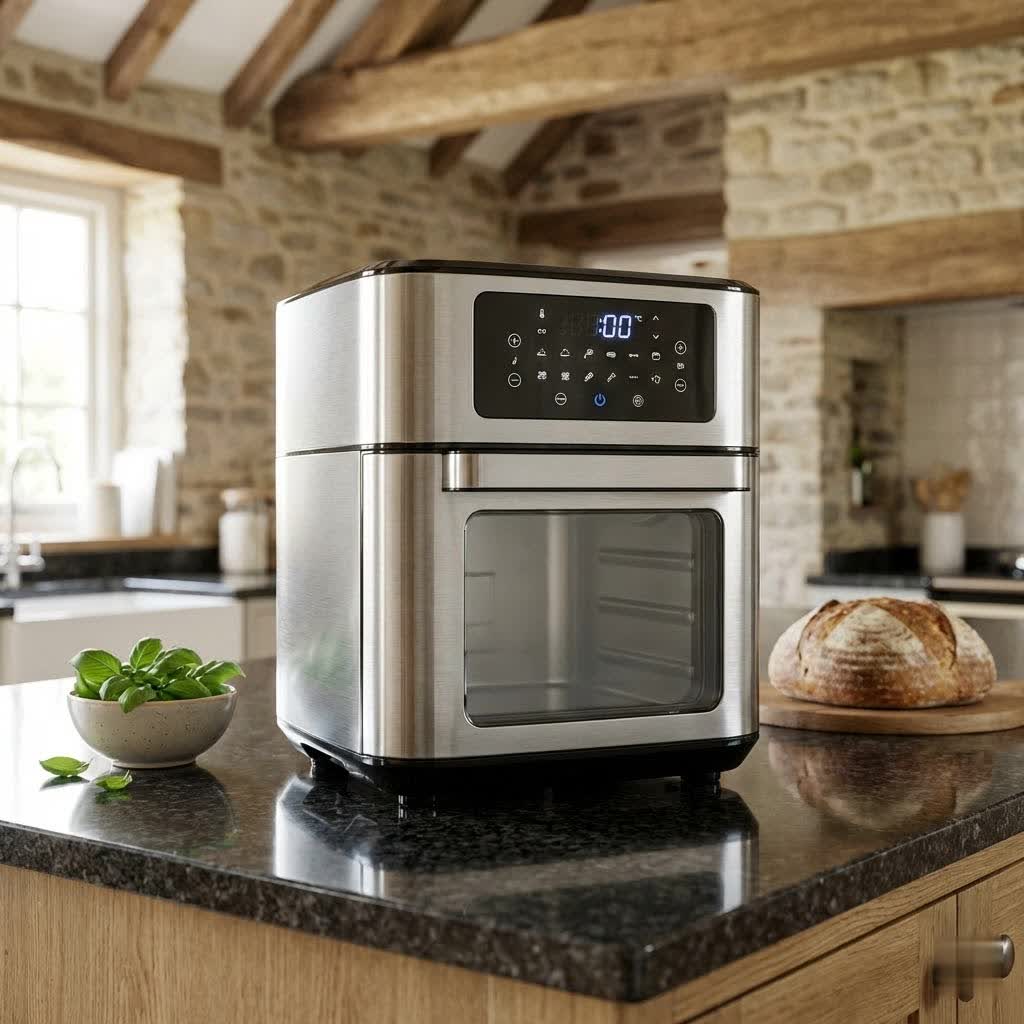
Are you dreaming of crispy, delicious meals without the guilt of excessive oil? In today’s fast-paced world, finding kitchen appliances that offer both convenience and health benefits is a game-changer. Air fryers have revolutionized home cooking, providing a smarter, healthier way to enjoy your favorite fried foods. This comprehensive guide will navigate you through everything you need to know about air fryers, from their impressive benefits and diverse types to how to choose the perfect model for your household and master its use.
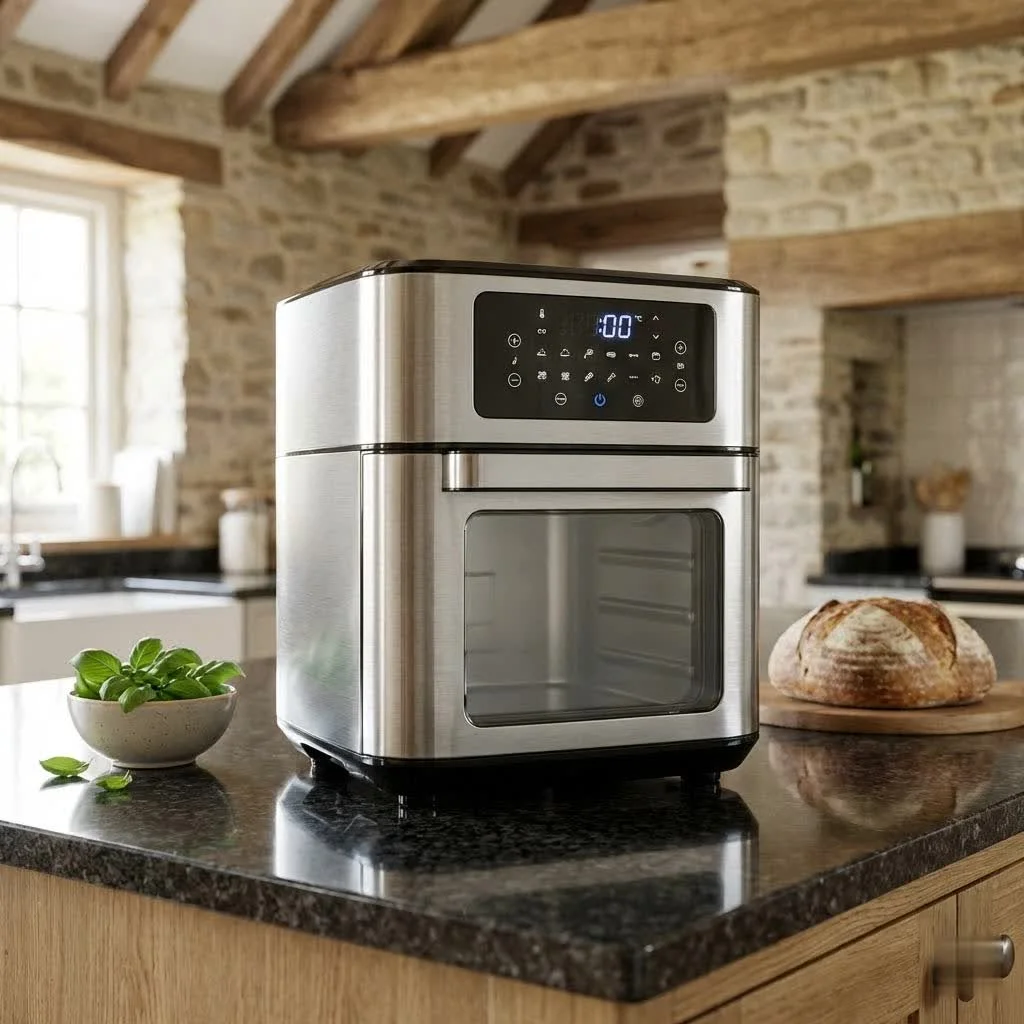
Air Fryers: Modern Cooking Solutions for Every Home
Air fryers operate on a simple yet ingenious principle: they circulate super-heated air around your food, creating a convection effect similar to a powerful oven. This hot air evenly cooks and crisps the food from all directions, often achieving that desirable deep-fried texture with little to no added oil. This innovative air frying technology transforms how we prepare everyday meals, making them healthier without compromising on taste. For compare top air fryer on this site.
Unveiling the Superior Benefits of Air Fryers
The allure of the air fryer extends far beyond just frying. This versatile kitchen appliance offers a multitude of advantages that cater to modern lifestyles.
- Healthier Cooking with Less Oil: One of the primary health benefits of air frying is the significant reduction in oil consumption. Compared to traditional deep-frying, which can immerse food in cups of oil, air fryers require only a tablespoon or less, drastically cutting down on fat and calories. This makes it an ideal choice for anyone striving for a healthy lifestyle or a low-fat diet.
- Crispy, Delicious Results: Despite using minimal oil, air fryers excel at producing foods that are wonderfully crispy on the outside and tender on the inside, mimicking the texture of deep-fried dishes. From golden fries to succulent chicken wings, the results are consistently satisfying.
- Fast and Convenient Meal Preparation: Air fryers generally cook food faster than conventional ovens, especially for smaller batches. Their rapid heating capabilities mean less waiting time and more moments savored around the dinner table, making them perfect for busy weeknights. The fast cooking aspect combined with easy operation elevates daily meal prep.
- Remarkable Versatility: Don’t let the name fool you – an air fryer is a truly multi-functional device. Beyond “frying,” it can roast vegetables, grill meats, bake small pastries, and even reheat leftovers to their original crispness, often outperforming a microwave. Many models also boast additional functions like dehydrating and toasting.
- Effortless Cleanup: With minimal oil splatter, cleaning an air fryer is often simpler than scrubbing greasy pots and pans. Most baskets and trays feature non-stick coatings and are often dishwasher-safe, contributing to an overall easy cleanup experience.
Types of Air Fryers on the Market
|
Our Picks for the Best Air Fryer in 2026
As an Amazon Associate I earn from qualifying purchases.
|
||
| Num | Product | Action |
|---|---|---|
| 1 | Ninja - Air Fryer - 4-in-1 Pro Air Fry, Roast, Reheat, Dehydrate - 5QT Capacity fits up to 4lbs of French Fries - 400F Max Temp - Nonstick Basket & Crisper Plate - 120V - Grey - AF141 |

|
| 2 | Instant Pot 4Qt Vortex 6-in-1 Mini Air Fryer, Custom Program Options, Air Fry, Broil, Roast, Dehydrate, Bake, Reheat, Black, 4 Quarts |
|
| 3 | Emeril Lagasse Extra Large French Door Air Fryer Toaster Oven Combo, 24 Cooking Functions and Digital Controls, 7 Accessories Included, Stainless Steel Finish, 26QT Capacity |
|
| 4 | Instant Pot 6QT VORTEX Plus Air Fryer, 6-in-1, Air Fry, Broil, Dehydrate, Crisp, Roast, Reheat, Bake, Dishwasher-Safe Airfryer basket, from the Makers of Instant Pot, Stainless Steel |
|
| 5 | Ninja - Air Fryer Pro XL - 6.5QT Capacity fits up to 9lbs of Wings- 7-in-1 Max Crisp, Broil, Air Fry, Roast, Bake, Reheat & Dehydrate - Dishwasher Safe Parts - Space Saving - Grey - AF182AMZ |
|
| 6 | Ninja - Indoor Grill and Air Fryer- Foodi Smart XL - 6-in-1 Grill, Air Fry, Roast, Bake, Broil, Dehydrate & Crisp -Smart Thermometer & Splatter Shield - Dishwasher Safe Parts - Black/Silver - FG551 |
|
| 7 | Cosori 9-in-1 TurboBlaze Air Fryer 6 Qt, Premium Ceramic Coating, 90°–450°F, Precise Heating for Even Results, Air Fry, Roast, Bake, Broil, Dry, Frozen, Proof, Reheat, Keep Warm, 120V, Dark Gray |
|
| 8 | Chefman Air Fryer – 6 QT Compact Airfryer for Quick & Easy Meals in Minutes, Features Hi-Fry Technology for Extra Crisp, Touchscreen Controls with 4 Presets, Nonstick & Dishwasher Safe Basket - Black |
|
| 9 | Gourmia Air Fryer Oven Digital Display 4 Quart Large AirFryer Cooker 12 1-Touch Cooking Presets, Black and Stainless Steel Accents Fry Force GAF486 |
|
| 10 | Ninja - XL Single Basket Air Fryer - 5.5 QT Capacity fits 3lbs of Wings - 5-in-1Air Fry, Roast, Bake,Reheat & Dehydrate -Dishwasher Safe Parts & Recipe Guide - Grey -AF150AMZ |
|
The air fryer market has expanded significantly, offering various designs and functionalities to suit different cooking needs and kitchen spaces. Understanding these types is crucial when making your selection.
- Basket-Style Air Fryers: These are the most common and recognizable type, featuring a pull-out drawer with a perforated basket. They are excellent for single-layer cooking and achieving maximum crispiness on items like fries, chicken nuggets, and smaller portions of vegetables. Their compact design makes them suitable for smaller kitchens.
- Oven-Style Air Fryers (Air Fryer Toaster Ovens): These resemble traditional toaster ovens but incorporate powerful convection cooking technology for air frying. They often come with multiple racks or trays, allowing you to cook larger quantities or multiple items simultaneously. Many also offer additional functions such as baking, roasting, toasting, and even rotisserie.
- Dual-Basket Air Fryers: Designed for ultimate convenience, dual-basket models feature two separate cooking compartments, enabling you to cook two different dishes at varying temperatures and times. Some even have a “Smart Finish” function to synchronize cooking completion, perfect for preparing a main dish and a side simultaneously.
- Specialty Air Fryers: This category includes advanced options like infrared air fryers, which use intense infrared heat for faster, more precise cooking, and steam air fryers, which combine air frying with steaming for juicier results and healthy cooking without drying out food.
Comparing Popular Air Fryer Types
To help visualize the differences, here’s a comparison of common air fryer types:
| Criterion | Basic Basket Air Fryer | Digital Basket Air Fryer | Air Fryer Oven / Steam Air Fryer |
|---|---|---|---|
| Price | Lower | Medium | Higher |
| Features | Manual controls, basic air frying | Digital display, presets, precise temp. control | Multiple functions (bake, roast, toast, steam), larger capacity |
| Durability | Generally high, fewer complex parts | Good, often depends on electronics | Varies, more complex systems can have more points of failure |
| Suitability | Small households, simple frying tasks | Small to medium families, varied cooking needs | Larger families, diverse cooking (roasts, multiple dishes), health-focused (steam) |
Your Essential Guide to Choosing the Right Air Fryer
Selecting the perfect air fryer for your home involves considering your unique cooking habits, available kitchen space, and budget. With so many options, a thoughtful approach will ensure you make the best investment.
- Determine Your Usage Needs: First, consider how many people you typically cook for and what types of meals you’ll prepare. Do you need to cook a whole chicken, or just a side of fries? This will directly influence the capacity you need.
- Choose the Right Capacity: Air fryer capacity is usually measured in liters or quarts.
- Small (1-2 liters/quarts): Ideal for single individuals or couples.
- Medium (3-5 liters/quarts): Suits couples or small families of 3-4.
- Large (6+ liters/quarts): Best for families of four or more, or for preparing larger meals and roasts. Larger units, especially dual-basket or oven-style models, offer more flexibility.
- Consider Power and Wattage: The wattage of an air fryer affects its heating speed and cooking efficiency. Most models range from 800 to 1800 watts. Higher wattage generally means faster cooking and better crisping. A range of 1400-1700 watts is often recommended for average family use, ensuring your kitchen circuit can handle the load.
- Evaluate Controls and Features:
- Manual Controls: Simple, often more affordable, but less precise.
- Digital Controls: Offer greater accuracy for temperature and time, usually include convenient presets for common foods, and may come with smart connectivity.
- Look for features like a clear display, automatic shut-off, a “keep warm” function, and specific cooking modes (e.g., dehydrate, roast).
- Assess Ease of Cleaning: An easy-to-clean air fryer is essential for regular use. Look for models with non-stick, dishwasher-safe baskets and trays. Removable parts simplify the cleaning process significantly.
- Read User Reviews and Prioritize Reputable Brands: Always check customer reviews from verified buyers to gain insights into real-world performance, durability, and any common issues. Brands like Ninja, Cosori, Instant Pot, Philips, and Breville are well-regarded in the market for their quality and innovation.
- Set a Realistic Budget: Air fryers are available across a wide price spectrum. Determine how much you’re willing to invest, balancing desired features with affordability. Remember that a higher price often correlates with more features, larger capacity, and better build quality.
Top 5 Air Fryers Highly Recommended for 2026
Based on performance, features, and user satisfaction, here are five highly-rated air fryer models that stand out in the current market:
- Ninja Foodi DZ550 DualZone 10-Quart Air Fryer:
- Pros: Exceptional dual-basket functionality with “Smart Finish” to cook two different foods simultaneously and finish at the same time. Large capacity, powerful performance for crispy results, and includes a temperature probe for precise cooking.
- Cons: Takes up significant counter space, can be pricey.
- Instant Vortex Plus XL 6-Quart Air Fryer:
- Pros: Excellent balance of capacity and countertop footprint, produces consistently crispy food, user-friendly digital interface with useful presets. Often considered a top performer for everyday air frying.
- Cons: Can be louder than some competitors, some users find the basket a bit cumbersome to clean by hand.
- Cosori TurboBlaze 6.0-Quart Air Fryer:
- Pros: Fast cooking with powerful performance, sleek design, very quiet operation, and easy-to-clean non-stick crisper tray. Known for its quick preheat and even cooking.
- Cons: Digital display can be sensitive, may not be ideal for very large meals.
- Philips Dual Basket Air Fryer 3000 Series:
- Pros: Features a unique 70/30 capacity split between baskets, offering great flexibility for different food sizes. Renowned for its build quality and effective air circulation, delivering superior crispiness.
- Cons: Higher price point, relatively new model so long-term reviews are still accumulating.
- Breville Smart Oven Air Fryer Pro:
- Pros: A premium air fryer oven that offers a wide range of functions (air fry, toast, bake, roast, slow cook, dehydrate). Large interior space, highly precise temperature control, and excellent results for various cooking tasks.
- Cons: Significantly more expensive and larger than basket-style air fryers, requiring more counter space.
Expert Tips for Using and Maintaining Your Air Fryer
To get the most out of your air fryer and ensure its longevity, follow these expert tips for air fryer usage and air fryer maintenance:
- Preheat for Best Results: Just like a conventional oven, preheating your air fryer for 3-5 minutes allows it to reach the desired temperature, ensuring food starts cooking immediately and achieves optimal crispiness.
- Avoid Overcrowding: Overfilling the basket is a common mistake. Arrange food in a single layer to allow hot air to circulate freely around each piece. If cooking large quantities, work in batches for even cooking and crisping.
- Shake or Flip Food Regularly: For uniform browning and crispness, remember to shake the basket or flip items halfway through the cooking process. This ensures all sides are exposed to the circulating hot air.
- Clean After Every Use: For hygiene and optimal performance, clean your air fryer after each use. Remove the basket and tray, wash them with warm, soapy water and a soft sponge. For tougher residue, a mixture of baking soda and water can be effective.
- Gentle Cleaning for Non-Stick Surfaces: Use only soft cloths and mild detergents to protect the non-stick coating of the basket and trays. Avoid abrasive scrubbers or harsh chemicals that can damage the surface.
- Wipe Down the Interior and Exterior: Periodically wipe the interior of the main unit with a damp cloth to remove any grease or crumbs. The exterior can also be wiped clean with a soft cloth to maintain its appearance.
“An air fryer isn’t just another gadget; it’s a culinary revolution that empowers you to cook smarter, healthier, and with incredible versatility. It truly changes the game for home cooks.” – Chef Elena Rodriguez, Culinary Technology Expert
Conclusion
The air fryer stands as a testament to how innovative kitchen technology can transform our culinary routines. By offering a healthier alternative to traditional frying, coupled with unparalleled speed and versatility, it has earned its place as a must-have appliance in modern kitchens. Choosing the right model, understanding its features, and practicing proper usage and air fryer cleaning will unlock a world of delicious, guilt-free meals. It’s more than just a convenience; it’s an investment in healthier eating and effortless cooking.
Ready to embark on your air frying journey and discover how this amazing device can elevate your everyday meals?
Frequently Asked Questions
Are air fryers truly healthier than deep frying?
Yes, air fryers are generally considered much healthier than deep frying because they require significantly less oil—often just a tablespoon or two—to achieve crispy results. This drastically reduces the fat and calorie content of your food, making it a better option for health-conscious cooking.
What kinds of foods can you cook in an air fryer?
The versatility of an air fryer is immense! You can cook a wide array of foods, including French fries, chicken wings, fish fillets, roasted vegetables (like broccoli, Brussels sprouts), chicken breasts, steak, and even baked goods like cookies or muffins. Many users also find them excellent for reheating leftovers, restoring their original crispiness.
How often should I clean my air fryer?
For optimal performance and hygiene, it’s recommended to clean your air fryer after every use. The basket and any removable trays should be washed with warm, soapy water. A deeper clean of the heating element and interior should be performed regularly, depending on how often you use it and what you cook.
What is the main difference between an air fryer and a convection oven?
While both air fryers and convection ovens use circulating hot air to cook food, the key difference lies in their size and intensity. Air fryers are essentially compact, powerful convection ovens designed to cook food faster and achieve a crispier exterior due to more concentrated hot air circulation in a smaller space.
Can I put water in an air fryer for steam cooking?
Generally, you should not put water directly into the main cooking basket of a standard air fryer as it can damage the appliance or be unsafe. However, some specialized steam air fryers are designed with a water reservoir specifically for steam cooking. Always refer to your appliance’s manual.
What capacity air fryer is best for a family of four?
For a family of four, an air fryer capacity of 5-7 liters (or quarts) is generally recommended. This size allows you to cook sufficient portions without overcrowding the basket, ensuring even cooking and crisp results for most family meals. Dual-basket models can also be an excellent choice for this size family.
Do air fryers use a lot of electricity?
Air fryers typically use between 800 to 1800 watts, with higher wattage models cooking faster. While they can consume more electricity than a microwave, they are often more energy-efficient than preheating and operating a large conventional oven for smaller meals, potentially saving energy in the long run.
Get our weekly buyer guide
Practical specs, not advice. Unsubscribe anytime.
