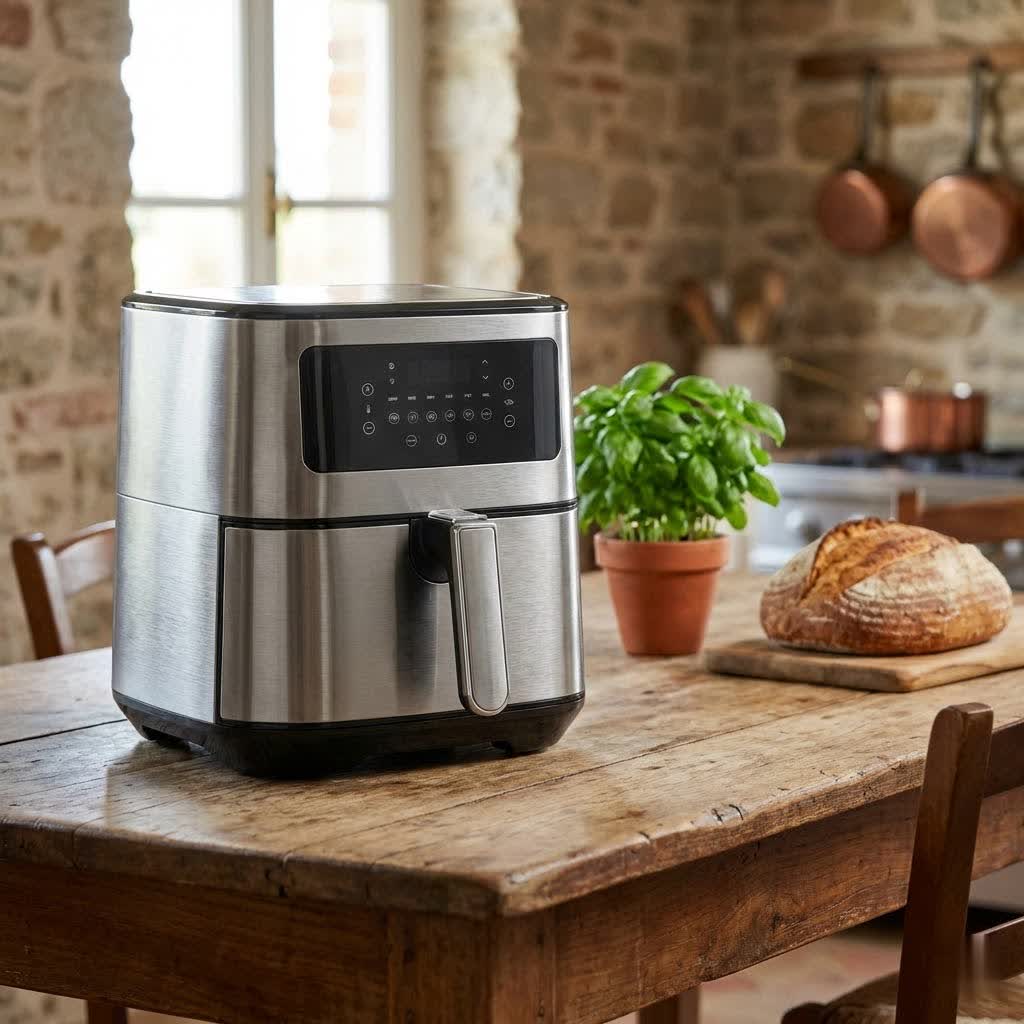
Are you looking to transform your cooking habits, embrace healthier eating, and still enjoy deliciously crispy food? The air fryer has emerged as a game-changer in modern kitchens, offering a pathway to significantly reduce oil consumption without sacrificing flavor or texture. This versatile appliance promises a guilt-free way to enjoy many of your favorite dishes. Join us as we explore the benefits, debunk common myths, guide you through choosing the best healthy air fryer, share inspiring recipes, and provide essential tips for optimal use.
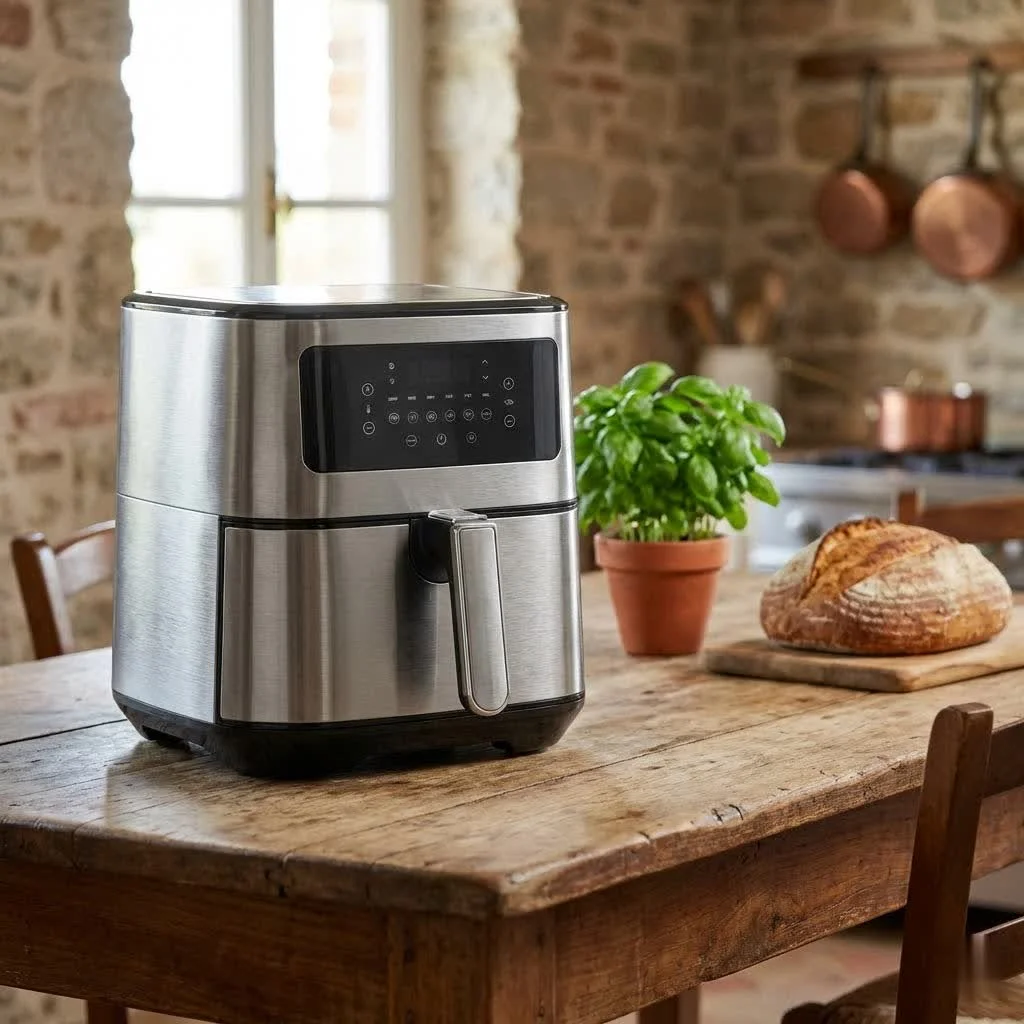
The Unrivaled Advantages of Air Fryers for Health-Conscious Cooking
Air fryers have gained immense popularity for a reason: they offer compelling advantages for anyone aiming for a healthier lifestyle. By circulating hot air, these appliances achieve a crispy exterior similar to deep-frying, but with a fraction of the oil. For best air fryer roundups on this site.
Reduced Fat & Calorie Intake
One of the most significant health benefits of air frying is its ability to drastically cut down on the amount of oil used. Compared to traditional deep frying, air frying can reduce fat intake by up to 80%, leading to a substantial decrease in calories. This makes it an ideal choice for those managing weight or following low-calorie diets. Swapping deep-fried foods for air-fried alternatives can lower the risk of obesity and related health complications like type 2 diabetes and cardiovascular disease.
Crispy Indulgence Without the Guilt
The magic of an air fryer lies in its capacity to deliver that satisfyingly crispy texture that traditionally requires copious amounts of oil. From perfectly golden French fries to crunchy chicken wings, the air fryer ensures food is crispy on the outside and tender on the inside, allowing you to indulge in your favorites with less guilt.
Speed and Simplicity in the Kitchen
Beyond health, air fryers are lauded for their convenience. They heat up quickly and often cook food faster than a conventional oven, making them perfect for busy weeknights. Their compact design also makes them more energy-efficient for smaller meals compared to heating a large oven.
Enhanced Safety and Easy Maintenance
Air fryers are generally safer than deep fryers as they eliminate the risk of oil splatters, spills, and accidental contact with hot oil. Furthermore, cleanup is typically straightforward. With minimal oil usage, splashes are reduced, and many removable parts are often dishwasher-safe, simplifying post-meal chores.
Air Fryers: Separating Fact from Fiction
Despite their many benefits, air fryers are surrounded by several misconceptions. Let’s clear the air and distinguish between myths and realities to help you make informed choices.
Myth 1: Air Fryers “Fry” Food
|
Our Picks for the Best Air Fryer in 2026
As an Amazon Associate I earn from qualifying purchases.
|
||
| Num | Product | Action |
|---|---|---|
| 1 | Ninja - Air Fryer Pro XL - 6.5QT Capacity fits up to 9lbs of Wings- 7-in-1 Max Crisp, Broil, Air Fry, Roast, Bake, Reheat & Dehydrate - Dishwasher Safe Parts - Space Saving - Grey - AF182AMZ |

|
| 2 | Ninja - Air Fryer - 4-in-1 Pro Air Fry, Roast, Reheat, Dehydrate - 5QT Capacity fits up to 4lbs of French Fries - 400F Max Temp - Nonstick Basket & Crisper Plate - 120V - Grey - AF141 |
|
| 3 | Ninja - Indoor Grill and Air Fryer- Foodi Smart XL - 6-in-1 Grill, Air Fry, Roast, Bake, Broil, Dehydrate & Crisp -Smart Thermometer & Splatter Shield - Dishwasher Safe Parts - Black/Silver - FG551 |
|
| 4 | Gourmia Air Fryer Oven Digital Display 4 Quart Large AirFryer Cooker 12 1-Touch Cooking Presets, Black and Stainless Steel Accents Fry Force GAF486 |
|
| 5 | Chefman Air Fryer – 6 QT Compact Airfryer for Quick & Easy Meals in Minutes, Features Hi-Fry Technology for Extra Crisp, Touchscreen Controls with 4 Presets, Nonstick & Dishwasher Safe Basket - Black |
|
| 6 | Cosori 9-in-1 TurboBlaze Air Fryer 6 Qt, Premium Ceramic Coating, 90°–450°F, Precise Heating for Even Results, Air Fry, Roast, Bake, Broil, Dry, Frozen, Proof, Reheat, Keep Warm, 120V, Dark Gray |
|
| 7 | Instant Pot 6QT VORTEX Plus Air Fryer, 6-in-1, Air Fry, Broil, Dehydrate, Crisp, Roast, Reheat, Bake, Dishwasher-Safe Airfryer basket, from the Makers of Instant Pot, Stainless Steel |
|
| 8 | Ninja - XL Single Basket Air Fryer - 5.5 QT Capacity fits 3lbs of Wings - 5-in-1Air Fry, Roast, Bake,Reheat & Dehydrate -Dishwasher Safe Parts & Recipe Guide - Grey -AF150AMZ |
|
| 9 | Instant Pot 4Qt Vortex 6-in-1 Mini Air Fryer, Custom Program Options, Air Fry, Broil, Roast, Dehydrate, Bake, Reheat, Black, 4 Quarts |
|
| 10 | Emeril Lagasse Extra Large French Door Air Fryer Toaster Oven Combo, 24 Cooking Functions and Digital Controls, 7 Accessories Included, Stainless Steel Finish, 26QT Capacity |
|
Contrary to their name, air fryers don’t actually “fry” food in the traditional sense. They are essentially compact, powerful convection ovens. They cook by circulating hot air around the food, creating a crispy outer layer that mimics the texture of fried food. Think of it as a super-efficient mini-oven rather than a deep fryer.
Myth 2: Food is Automatically Healthy
While air frying uses less oil, it doesn’t automatically transform unhealthy foods into health-conscious options. The overall healthiness still largely depends on the ingredients you choose and your portion sizes. Air-frying highly processed snacks or foods laden with unhealthy fats will still not make them a healthy choice. The appliance is a tool; its health benefits are maximized when paired with nutritious ingredients.
Myth 3: No Oil is Ever Needed
Although air fryers dramatically reduce the need for oil, a small amount can often enhance the food’s texture, flavor, and even aid in nutrient absorption for fat-soluble vitamins (A, D, E, K). For truly crispy results, especially with items like potatoes or chicken, a light spritz or a toss with a tablespoon of healthy oil can make a significant difference.
Myth 4: Limited to Unhealthy Fast Food
Air fryers are incredibly versatile. While they excel at making “fried” classics like chicken nuggets and fries, their capabilities extend far beyond. You can roast vegetables, bake fish, cook various meats, and even prepare desserts like banana bread or donuts. They are excellent for preparing a wide array of healthy, homemade meals and snacks.
Myth 5: All Foods Are Air Fryer-Friendly
While versatile, not all foods are ideal for air frying. Items with high water content, such as certain leafy greens or tomatoes, can become overly dry or develop an undesirable texture. Similarly, dishes requiring long simmering, like stews, are not suitable. Understanding food characteristics helps achieve the best results.
Myth 6: Air Frying Always Dries Out Food
It’s a common concern that air-fried food might be dry and tasteless. However, this often stems from incorrect cooking techniques. Marinating meats, adding a light coating of oil, or even placing a small heat-safe bowl of water in the air fryer basket (for some models) can help maintain moisture and ensure juicy, flavorful results. Properly cooked, air-fried foods can be remarkably tender on the inside.
Air Fryer Varieties: Understanding Your Options
Air fryers come in various forms, each offering distinct features to cater to diverse cooking needs and preferences.
Types of Air Fryers on the Market
Air fryers can be broadly categorized by their capacity, technology, and advanced functionalities. Understanding these distinctions helps in selecting the ideal model for your kitchen.
| Criteria | Basic Air Fryer | Electronic Air Fryer | Steam Air Fryer |
|---|---|---|---|
| Price | Low | Medium | High |
| Features | Basic | Diverse | Diverse, with added steaming function |
| Durability | High | Medium | Medium |
| Suitability | Small families, simple cooking needs | Medium to large families, diverse cooking needs | Health-conscious families, who enjoy steamed dishes |
Choosing a Healthy Air Fryer: What to Look For
Selecting the right air fryer goes beyond just its cooking capabilities. For health-conscious users, the materials used in its construction are paramount.
Prioritize Non-Toxic Materials (Ceramic, Glass, Stainless Steel)
Concerns regarding “forever chemicals” (PFAS, PFOA, PTFE, often found in traditional non-stick coatings like Teflon) have led many to seek safer alternatives. To minimize potential health risks, look for air fryers with cooking surfaces made from:
- Ceramic: Often advertised as PFAS-free and generally considered a safer non-stick option.
- Glass: Offers excellent visibility and is inherently non-toxic and easy to clean.
- Stainless Steel: A durable, non-reactive material that is safe for cooking and does not leach chemicals.
When purchasing, always verify that the product is explicitly marketed as PFAS-free or uses these healthier alternatives.
Understanding Capacity and Wattage
- Capacity: Air fryers range from compact 2-3 liter models (ideal for 1-2 people) to large 6-liter+ options (suitable for families). Steam air fryers often have larger capacities to accommodate their dual function. Choose a size that matches your household’s needs to avoid overcrowding, which can hinder even cooking.
- Wattage: Higher wattage generally means faster heating and cooking. Most air fryers range from 1200W to 1800W. Consider your kitchen’s electrical capacity.
Smart Features and Ease of Use
Modern air fryers offer a plethora of features. Look for:
- Preset cooking modes: For convenience with common dishes.
- Temperature control: Precise adjustments allow for optimal cooking of various foods.
- Timer functions: With auto-shutoff for safety and convenience.
- Digital displays: Easy to read and operate.
- Viewing windows: To monitor cooking progress without opening the basket.
Reputable Brands to Consider
Many brands prioritize non-toxic materials. When exploring options, consider brands known for their commitment to safety and quality construction, often featuring ceramic, glass, or stainless steel components.
Top Healthy Air Fryer Picks for a Safer Kitchen
Choosing an air fryer that prioritizes both performance and health can be a rewarding experience. Here are some examples of popular healthy air fryer types and features to look for, informed by expert recommendations:
- Typhur Sync Air Fryer: Known for its precision and PFAS-free ceramic coating. This model often features a temperature probe for accurate cooking and a sleek design, making it a professional choice for juicy meats and crispy sides.
- Our Place Wonder Oven Pro: Praised for its smart design and non-toxic materials (stainless steel frame with quartz and stainless steel heating elements). It combines aesthetic appeal with multiple cooking modes like air fry, bake, roast, and a steam-infusion feature for added versatility.
- Midea Flexify French Door Air Fryer Oven: This spacious stainless steel oven offers great value and can handle family-sized meals. Its accessible French door design and stainless steel racks make it a popular choice for those seeking a larger, non-toxic option.
- Ninja Crispi Pro 6-in-1: Stands out with its borosilicate glass containers that are free from BPA and PFAS. These glass containers are not only safe for cooking but also double as storage, offering a convenient and versatile solution for meal prep and cooking.
- COSORI Stainless Steel Air Fryers: Many COSORI models, such as their “Iconic™ The Stainless Steel Smart Air Fryer,” offer durable stainless steel interiors, providing a robust and non-toxic cooking environment with various smart features for effortless healthy meals.
Delicious and Healthy Air Fryer Recipes to Try
The air fryer opens up a world of healthy cooking possibilities. Here are just a few ideas to get you started:
Crispy Air-Fried Vegetables
Transform everyday vegetables into irresistible sides. Try tossing broccoli, zucchini, Brussels sprouts, or asparagus with a minimal amount of olive oil and your favorite seasonings, then air-frying until tender-crisp. You can also make homemade sweet potato fries with significantly less oil than traditional methods.
Lean Proteins (Chicken, Fish, Pork)
Air fryers excel at cooking lean proteins to perfection.
- Chicken: Achieve juicy air fryer chicken breasts, crispy chicken thighs, or even whole roasted chickens with a perfectly golden skin.
- Fish: Prepare salmon fillets, tilapia, or cod with a delicate crisp exterior and flaky interior. Some studies suggest air frying can increase cholesterol oxidation in fish, so consider combining with antioxidant-rich spices.
- Pork: Air fry pork chops or tenderloin for quick, flavorful meals.
Healthier Snacks and Sides
Move beyond processed snacks by making your own. Air-fried falafel, homemade potato or sweet potato chips, and roasted nuts tossed with spices are fantastic, healthier alternatives. Even air-fried “donuts” can be a fun, less greasy treat!
Mastering Your Healthy Air Fryer: Tips for Optimal Use and Care
To truly leverage your air fryer for healthier cooking and extend its lifespan, follow these practical tips.
Preheating for Best Results
Always preheat your air fryer before adding food, just as you would a conventional oven. Preheating ensures the cooking cavity reaches the desired temperature, leading to more even cooking and a superior crispy texture.
Avoid Overcrowding
Resist the temptation to cram too much food into the air fryer basket. Overcrowding obstructs hot air circulation, resulting in unevenly cooked and less crispy food. Cook in batches if necessary, ensuring a single layer of food for optimal results.
Smart Oil Usage
While you need less oil, don’t shy away from using a small amount when appropriate. A light spray of healthy, high smoke point oils like avocado oil or ghee can improve texture and flavor. Using these oils also aids in the absorption of fat-soluble vitamins. Ensure you skip refined seed oils, which can be inflammatory if overused.
Regular Cleaning and Maintenance
Regular cleaning is vital for both hygiene and the air fryer’s longevity. Clean the basket and interior after every use to prevent the buildup of grease and food residue. Leftover oil exposed to high heat can oxidize, forming harmful byproducts. Many components are dishwasher safe, making cleanup easier.
Safe Liners and Accessories
Consider using food-grade silicone liners (BPA-free and FDA-approved) or unbleached, perforated parchment paper. These liners are heat-resistant and allow for proper airflow while preventing food from sticking and making cleanup a breeze.
Conclusion
The healthy air fryer is more than just a kitchen gadget; it’s an intelligent investment in your well-being. By significantly reducing the need for oil, it empowers you to enjoy your favorite crispy foods with fewer calories and less fat, making healthier eating an enjoyable reality. While not a magic bullet, when used mindfully with wholesome ingredients, an air fryer becomes an indispensable tool for a balanced diet.
Ready to transform your culinary journey? With the right knowledge and a dash of creativity, your air fryer can unlock a world of delicious, healthier meals. What healthy dish will you air fry first?
Frequently Asked Questions
Can air frying cause cancer due to acrylamide?
No, current scientific consensus indicates no definitive evidence that acrylamide from air-fried foods causes cancer in humans at typical consumption levels. Air fryers generally produce less acrylamide compared to deep-frying because they use significantly less oil and often cook at slightly lower temperatures, or at least without the prolonged oil submersion characteristic of deep frying.
How can I ensure my air-fried vegetables retain their nutrients?
While high-heat cooking methods, including air frying, can lead to some loss of heat-sensitive micronutrients like Vitamin C and certain antioxidants, this is also true for boiling and other cooking methods. To maximize nutrient retention, avoid overcooking or charring vegetables. Add spices like turmeric, garlic, cumin, and paprika during cooking, as they release beneficial antioxidants.
Get our weekly buyer guide
Practical specs, not advice. Unsubscribe anytime.
