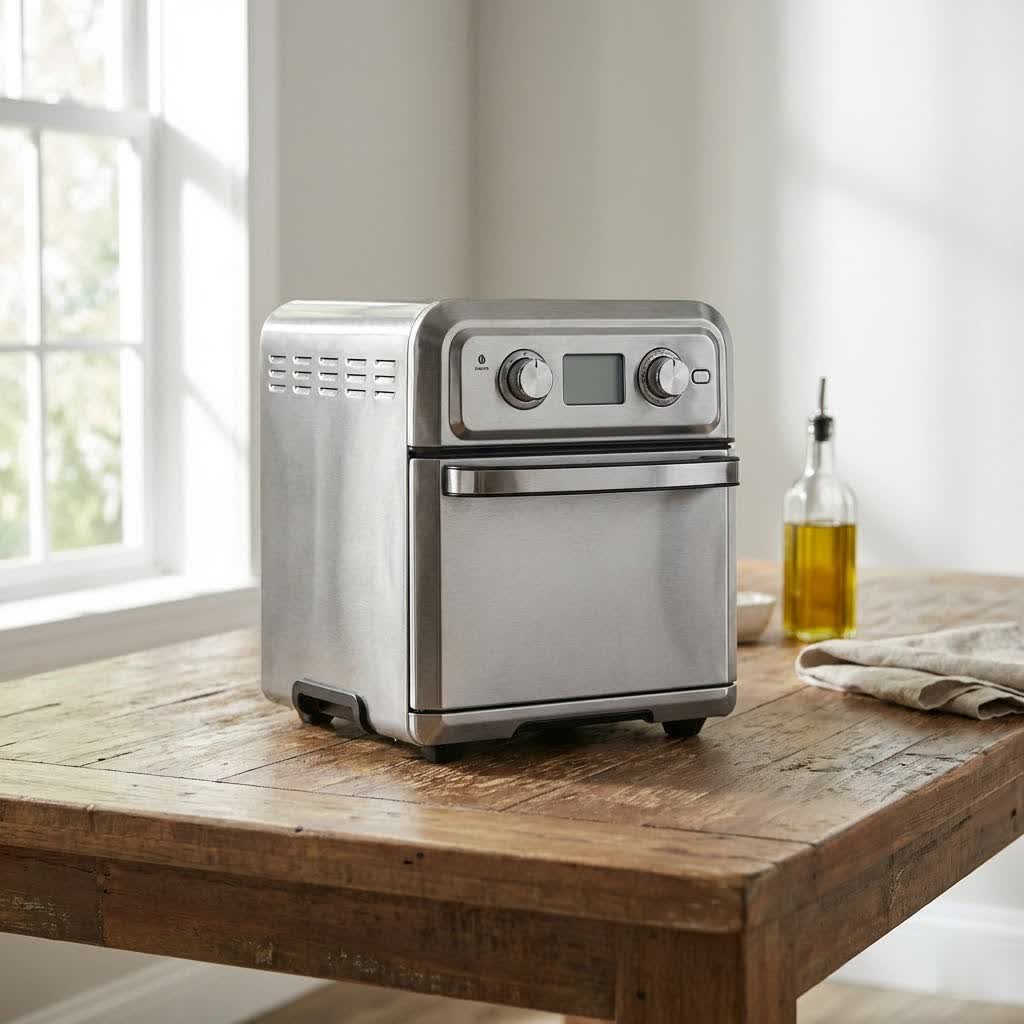
Are you ready to transform your cooking experience, enjoying crispy, delicious meals with minimal oil? Air fryers have become a kitchen staple, celebrated for their convenience and ability to deliver “fried” food results with a healthier twist. However, a growing concern among health-conscious consumers centers around the materials used in many conventional air fryers and their potential to leach harmful chemicals into your food. This guide will demystify non-toxic air fryers, helping you navigate the options and choose a healthier cooking companion for your home.
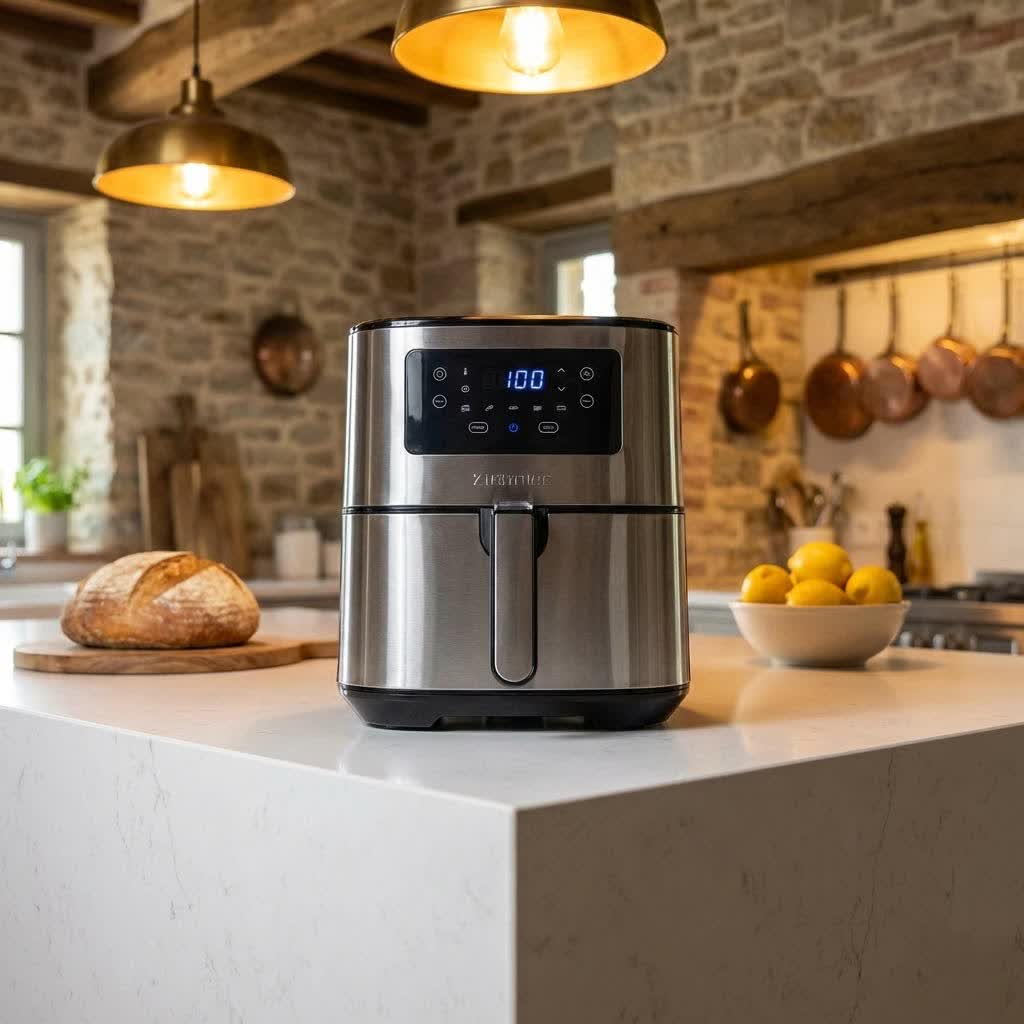
The Modern Air Fryer: A Healthier Cooking Solution?
|
Our Picks for the Best Air Fryer in 2026
We may earn a commission when you use one of our links to make a purchase.
|
||
| Num | Product | Action |
|---|---|---|
| 1 | Instant Pot 6QT VORTEX Plus Air Fryer, 6-in-1, Air Fry, Broil, Dehydrate, Crisp, Roast, Reheat, Bake, Dishwasher-Safe Airfryer basket, from the Makers of Instant Pot, Stainless Steel |

|
| 2 | Ninja - Air Fryer - 4-in-1 Pro Air Fry, Roast, Reheat, Dehydrate - 5QT Capacity fits up to 4lbs of French Fries - 400F Max Temp - Nonstick Basket & Crisper Plate - 120V - Grey - AF141 |
|
| 3 | Emeril Lagasse Extra Large French Door Air Fryer Toaster Oven Combo, 24 Cooking Functions and Digital Controls, 7 Accessories Included, Stainless Steel Finish, 26QT Capacity |
|
| 4 | Gourmia Air Fryer Oven Digital Display 4 Quart Large AirFryer Cooker 12 1-Touch Cooking Presets, Black and Stainless Steel Accents Fry Force GAF486 |
|
| 5 | Ninja - Air Fryer Pro XL - 6.5QT Capacity fits up to 9lbs of Wings- 7-in-1 Max Crisp, Broil, Air Fry, Roast, Bake, Reheat & Dehydrate - Dishwasher Safe Parts - Space Saving - Grey - AF182AMZ |
|
| 6 | Chefman Air Fryer – 6 QT Compact Airfryer for Quick & Easy Meals in Minutes, Features Hi-Fry Technology for Extra Crisp, Touchscreen Controls with 4 Presets, Nonstick & Dishwasher Safe Basket - Black |
|
| 7 | Instant Pot 4Qt Vortex 6-in-1 Mini Air Fryer, Custom Program Options, Air Fry, Broil, Roast, Dehydrate, Bake, Reheat, Black, 4 Quarts |
|
| 8 | Cosori 9-in-1 TurboBlaze Air Fryer 6 Qt, Premium Ceramic Coating, 90°–450°F, Precise Heating for Even Results, Air Fry, Roast, Bake, Broil, Dry, Frozen, Proof, Reheat, Keep Warm, 120V, Dark Gray |
|
| 9 | Ninja - XL Single Basket Air Fryer - 5.5 QT Capacity fits 3lbs of Wings - 5-in-1Air Fry, Roast, Bake,Reheat & Dehydrate -Dishwasher Safe Parts & Recipe Guide - Grey -AF150AMZ |
|
| 10 | Ninja - Indoor Grill and Air Fryer- Foodi Smart XL - 6-in-1 Grill, Air Fry, Roast, Bake, Broil, Dehydrate & Crisp -Smart Thermometer & Splatter Shield - Dishwasher Safe Parts - Black/Silver - FG551 |
|
Air fryers utilize rapid air circulation to cook food, mimicking the crispiness of deep-frying with significantly less oil. This method not only reduces fat and calorie intake but also minimizes exposure to unhealthy trans fats found in traditionally fried foods. Many homeowners appreciate the speed and versatility an air fryer brings to their daily cooking routine, from quick weeknight dinners to healthier snacks.
While the low-oil aspect of air frying is a definite health advantage, questions have arisen about the safety of the non-stick coatings commonly found in these appliances. Concerns about potential chemical leaching have led many to seek out “non-toxic” alternatives, ensuring their pursuit of healthier eating extends beyond just the ingredients. It’s important to understand what makes an air fryer truly safe.
Decoding Air Fryer Materials: What to Avoid
The primary concern with many conventional air fryers lies within their non-stick surfaces, which can pose health risks if not chosen carefully. Understanding what chemicals to avoid is the first step toward a genuinely non-toxic kitchen.
The Problem with Traditional Non-Stick Coatings
Many air fryers feature baskets and trays coated with traditional non-stick materials, most notably those containing Per- and Polyfluoroalkyl Substances (PFAS). This family of synthetic chemicals includes well-known compounds like PTFE (often branded as Teflon) and PFOA. When these coatings are scratched, damaged, or overheated—typically beyond 450°F (232°C)—they can break down and potentially release harmful fumes and particles. Exposure to these “forever chemicals” has been linked to various serious health issues, including increased cholesterol levels, high blood pressure, developmental problems, a reduced immune response, and even an elevated risk of certain cancers. In extreme cases of overheating, PTFE can cause “polymer fume fever,” a flu-like condition.
Other Harmful Chemicals to Watch Out For
Beyond PFAS, other chemicals like BPA (Bisphenol A) and phthalates are sometimes found in the plastic components of kitchen appliances. While less directly related to cooking surfaces, prolonged exposure, especially with heat, can raise concerns about hormonal disruption and other health effects. Choosing products explicitly labeled “BPA-free” and “phthalate-free” offers an additional layer of assurance for health-conscious consumers. Always check product specifications to confirm the absence of these unwanted chemicals in your non-toxic air fryer.
The Safest Choices: Non-Toxic Air Fryer Materials
Fortunately, manufacturers are increasingly offering air fryers made with safer, non-toxic materials, providing excellent performance without the chemical worries. When selecting a non-toxic air fryer, focus on models that prioritize these healthier alternatives for their cooking surfaces.
Ceramic Coatings
Air fryers featuring ceramic-coated baskets are an excellent non-toxic option. These coatings are typically made from silica-based materials and are explicitly designed to be free from PFAS, PTFE, and PFOA. Ceramic provides a naturally smooth, non-reactive cooking surface, offering good non-stick properties and ease of cleaning. They withstand high temperatures well, making them a reliable choice for everyday air frying without the risk of chemical leaching.
Stainless Steel
For unparalleled durability and inertness, stainless steel air fryers or those with stainless steel baskets are a top contender. Stainless steel is a highly heat-safe material that does not leach chemicals into food, even at high temperatures. While it may not offer the same slick non-stick performance as ceramic, a light greasing with healthy, high smoke-point oil or using parchment liners can easily prevent food from sticking. Many air fryer ovens or toaster oven combos often feature stainless steel interiors, providing a robust and long-lasting cooking environment.
Glass
Glass air fryers, though less common, offer a truly inert and transparent cooking experience. Being naturally non-toxic, glass allows you to monitor your food’s progress without opening the drawer, preserving heat and cooking efficiency. The main considerations with glass are its weight and fragility; opting for high-quality, heat-resistant tempered glass is crucial for safety and longevity. Glass bowls are particularly popular in some larger, oven-style air fryers.
> “The shift towards ceramic, stainless steel, and glass in air fryer manufacturing represents a significant step forward for kitchen safety. Consumers are rightly demanding transparency and healthier options.” – Dr. Elena Petrova, Food Safety Expert
Key Considerations When Choosing a Non-Toxic Air Fryer
Selecting the right non-toxic air fryer involves more than just material; it’s about matching the appliance to your specific needs and lifestyle. Here’s what to look for:
- Confirm “PFAS-Free” Labels: Always look for clear labeling that specifies “PFAS-free,” “PTFE-free,” and “PFOA-free” for ceramic-coated models. For stainless steel and glass, these labels are inherent to the material itself.
- Capacity: Air fryers come in various sizes. A 2-3 liter model might suffice for individuals or couples, while 4-5 liters are ideal for small families. Larger families or those who cook frequently might prefer 6+ liter models or air fryer ovens.
- Wattage/Power: Higher wattage (e.g., 1500W-1800W) generally translates to faster preheating and cooking times, which can be a significant convenience.
- Features: Consider digital vs. analog controls, preset cooking functions for common foods, temperature control range, and a viewing window for monitoring progress without opening the basket.
- Brand Reputation: Research reputable brands known for their commitment to health-conscious products and good customer service. Read recent user reviews to gauge real-world performance and durability.
- Price vs. Value: While non-toxic options might sometimes have a slightly higher upfront cost, the peace of mind and long-term health benefits often outweigh the initial investment.
Comparison of Non-Toxic Air Fryer Materials
When deciding between the safest air fryer materials, consider their distinct characteristics to find the best fit for your kitchen.
| Criteria | Ceramic-Coated Air Fryers | Stainless Steel Air Fryers | Glass Air Fryers |
|---|---|---|---|
| Safety Profile | PFAS-free, non-reactive | Highly heat-safe, inert | Naturally non-toxic, inert |
| Non-Stick Properties | Excellent, easy cleanup | Minimal, may require oil/parchment | Variable, may need careful prep |
| Durability | Good, but coating can scratch if misused | Excellent, long-lasting | Good, but susceptible to breakage if dropped |
| Visibility | Opaque basket, some models have windows | Opaque basket/interior, some oven styles have windows | Transparent, easy monitoring |
| Typical Cost | Medium to High | Medium to High | High |
| Best For | Everyday use, easy cleaning | Durability, high-heat cooking | Visual cooking, aesthetic appeal |
Top Non-Toxic Air Fryer Options
While specific model availability can vary, here are types of non-toxic air fryers highly regarded for their safe materials:
- Ceramic-Coated Basket Air Fryers: Brands like Typhur Sync and GreenPan are often cited for their high-quality ceramic interiors that are certified PFAS-free. They offer excellent non-stick performance and are ideal for those transitioning from traditional non-stick.
- Stainless Steel Air Fryer Ovens: Many toaster oven-style air fryers, such as certain Cuisinart or Breville models, feature primarily stainless steel interiors. These are incredibly durable and versatile, often offering additional functions like toasting, baking, and dehydrating.
- Glass Bowl Air Fryers: The Big Boss Air Fryer (with its distinct glass bowl) and newer glass container systems from brands like Ninja Crispi stand out for their completely transparent and inert cooking chambers. They are excellent for visual cooks who prefer to see their food crisping up.
> “In our decade of testing kitchen appliances, the move towards truly non-toxic materials in air fryers has been one of the most impactful trends for consumer health.” – Tobey Maguire, Senior Appliance Tester
Maximizing Safety and Longevity: Tips for Using and Cleaning Your Non-Toxic Air Fryer
Even with a non-toxic air fryer, proper usage and maintenance are key to ensuring healthy meals and extending the life of your appliance.
- Preheat Effectively: Always preheat your air fryer to the recommended temperature before adding food. This ensures even cooking and optimal crispiness.
- Avoid Overcrowding: Do not overload the air fryer basket. Overcrowding can lead to uneven cooking and less crispy results, as hot air needs to circulate freely around the food. Cook in batches if necessary.
- Flip and Shake Food: For thoroughly cooked and evenly browned food, remember to shake the basket or flip items halfway through the cooking process. This is especially important for items like fries or chicken wings.
- Clean After Every Use: Regular cleaning prevents food residue from burning and odors from lingering. For ceramic and glass parts, use a soft sponge and mild dish soap. Stainless steel components can also be cleaned similarly. Avoid abrasive cleaners or metal utensils that could scratch surfaces, even on durable materials.
- Use Healthy, High Smoke-Point Oils: If you choose to use oil, opt for those with high smoke points like avocado, grapeseed, or coconut oil. Using cooking sprays containing lecithin might break down some coatings over time, so consider a mister bottle with your preferred oil.
- Mind Acrylamide Formation: When air frying starchy foods like potatoes, aim for a golden-yellow rather than dark brown color to minimize the formation of acrylamides, naturally occurring compounds that form at high temperatures. Cooking below 338°F (170°C) when possible can also help.
Conclusion
Embracing a non-toxic air fryer is a proactive step towards a healthier kitchen and a more mindful approach to cooking. By understanding the concerns around traditional non-stick coatings and prioritizing safer materials like ceramic, stainless steel, and glass, you can enjoy all the benefits of air frying without compromising your well-being. From crispy fries to perfectly roasted vegetables, a non-toxic air fryer empowers you to prepare delicious, guilt-free meals for your family every day. Make an informed choice and invest in an appliance that truly aligns with your healthy lifestyle goals.
What delicious, healthy meals will you create with your new non-toxic air fryer?
Frequently Asked Questions
What makes an air fryer non-toxic?
A non-toxic air fryer primarily refers to one that uses cooking surfaces free from harmful chemicals like PFAS, PTFE (Teflon), PFOA, BPA, and phthalates. Instead, these models feature baskets and interiors made from safer materials such as ceramic coatings, stainless steel, or high-quality glass.
Are all ceramic air fryers considered non-toxic?
While ceramic is generally a non-toxic material, it’s crucial to look for ceramic-coated air fryers that explicitly state they are “PFAS-free” or “PTFE-free.” Some ceramic coatings might still contain other binders, so clear labeling ensures you’re getting a truly safe product.
Can old air fryers release harmful chemicals?
Older or cheaper air fryers with traditional non-stick coatings (like Teflon/PTFE) can potentially release harmful fumes and chemicals if the coating is scratched or overheated significantly above its recommended temperature. This is why many people are upgrading to newer, non-toxic models.
Is stainless steel a better choice than ceramic for an air fryer?
Both stainless steel and ceramic (PFAS-free) are excellent non-toxic choices. Stainless steel offers superior durability and is completely inert, while ceramic provides better natural non-stick properties. The “better” choice often depends on individual preference for ease of cleaning versus absolute ruggedness.
How can I reduce acrylamides when air frying?
To minimize acrylamide formation in starchy foods, avoid over-browning; aim for a golden-yellow finish. You can also try cooking at slightly lower temperatures (below 338°F / 170°C) or for shorter durations. Soaking potatoes before frying can also help reduce sugar content.